

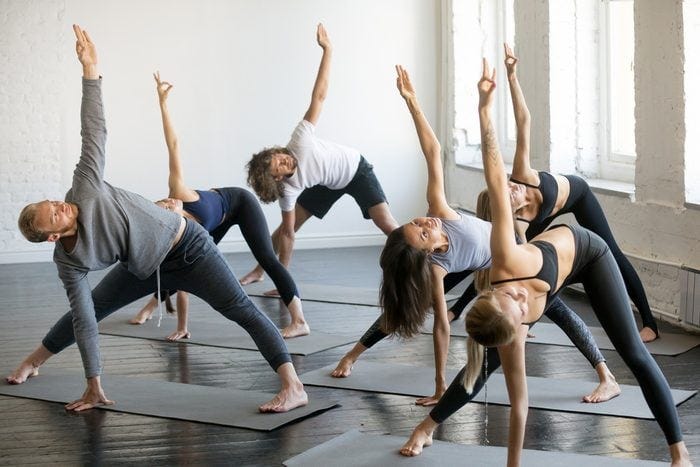
Exercise is not just a physical activity; it is a cornerstone of a healthy lifestyle that encompasses mental, emotional, and social well-being. In this comprehensive guide, we explore the myriad benefits of exercise, different types of exercises to suit various fitness goals, and essential tips to maximize your workout regimen.
The Benefits of Exercise
Regular physical activity offers numerous benefits that extend far beyond just physical fitness:
- Improved Cardiovascular Health: Exercise strengthens the heart and improves circulation, reducing the risk of heart disease and stroke.
- Weight Management: Combined with a balanced diet, exercise helps maintain a healthy weight and promotes fat loss.
- Enhanced Mood: Physical activity stimulates the production of endorphins, chemicals in the brain that reduce stress and boost mood, combating anxiety and depression.
- Increased Energy Levels: Regular exercise improves stamina and endurance, enhancing overall energy levels and reducing feelings of fatigue.
- Better Sleep: Those who exercise regularly tend to fall asleep faster and enjoy deeper, more restorative sleep.
- Stronger Muscles and Bones: Weight-bearing exercises and resistance training help build muscle mass and increase bone density, reducing the risk of osteoporosis.
- Improved Cognitive Function: Physical activity boosts blood flow to the brain, enhancing memory, concentration, and overall cognitive function.
- Social Interaction: Participating in group fitness classes or team sports fosters social connections and a sense of community, promoting mental well-being.
Types of Exercise
There are four main types of exercise, each serving a different purpose and targeting various aspects of fitness:
- Cardiovascular or Aerobic Exercise:
- Purpose: Improves cardiovascular health, endurance, and overall stamina.
- Examples: Running, jogging, cycling, swimming, dancing, aerobics classes.
- Strength Training:
- Purpose: Builds muscle strength, enhances metabolism, and improves bone density.
- Examples: Weightlifting, resistance band exercises, bodyweight exercises (push-ups, squats).
- Flexibility Exercises:
- Purpose: Increases range of motion, improves posture, and reduces muscle tension.
- Examples: Yoga, Pilates, stretching exercises.
- Balance and Stability Exercises:
- Purpose: Enhances coordination, prevents falls, and improves overall stability.
- Examples: Tai Chi, balance exercises (standing on one leg, heel-to-toe walk).
Gotickettravel | aquavistatrek | trektrotters | explorepaths | tripfiestafun
Tips for Starting and Maintaining an Exercise Routine
Starting an exercise routine can be daunting, but with the right approach, it can become an enjoyable and sustainable habit:
- Set Realistic Goals: Define clear, achievable goals such as weight loss, muscle gain, or improved flexibility. Break down larger goals into smaller milestones to track progress effectively.
- Choose Activities You Enjoy: Find exercises that you find enjoyable and can commit to regularly. This could be anything from dancing to hiking or playing a sport.
- Start Slowly and Progress Gradually: Begin with low-intensity workouts and gradually increase duration, frequency, and intensity as your fitness improves. This helps prevent injuries and allows your body to adapt.
- Mix It Up: Incorporate a variety of exercises to keep your workouts interesting and challenge different muscle groups. This also reduces the risk of overuse injuries.
- Listen to Your Body: Pay attention to how your body feels during and after exercise. If you experience pain or discomfort, modify your routine or seek guidance from a fitness professional.
- Stay Hydrated and Fuel Your Body: Drink plenty of water before, during, and after exercise to stay hydrated. Eat a balanced diet rich in lean proteins, whole grains, fruits, and vegetables to support your workouts.
- Prioritize Rest and Recovery: Allow time for rest days and incorporate activities like stretching or yoga to aid in muscle recovery and prevent burnout.
- Stay Consistent: Consistency is key to seeing results. Aim for at least 150 minutes of moderate-intensity aerobic activity or 75 minutes of vigorous-intensity activity per week, along with muscle-strengthening exercises on two or more days a week.
Overcoming Common Barriers to Exercise
Several common barriers can hinder regular exercise participation. Here’s how to overcome them:
- Lack of Time: Break workouts into shorter sessions throughout the day or incorporate physical activity into daily routines, such as taking the stairs instead of the elevator.
- Lack of Motivation: Find a workout buddy or join group classes for accountability and motivation. Set rewards for reaching fitness milestones.
- Fear of Injury: Start with low-impact exercises and learn proper form from a certified fitness trainer. Gradually progress to more challenging workouts as your confidence and strength improve.
- Weather or Location Constraints: Adapt your workout to indoor spaces or invest in equipment like resistance bands or a jump rope for home workouts. Explore local gyms or community centers for indoor exercise options.
Conclusion
Exercise is not just about physical appearance; it is about nurturing a healthy mind and body. Whether you’re aiming to lose weight, improve strength, or enhance overall well-being, incorporating regular exercise into your routine can yield immense benefits. By understanding different types of exercises, setting realistic goals, and adopting healthy habits, you can embark on a fitness journey that is both rewarding and sustainable. Remember, every step you take towards a more active lifestyle contributes to your long-term health and happiness.
Top of Form
Bottom of Form