

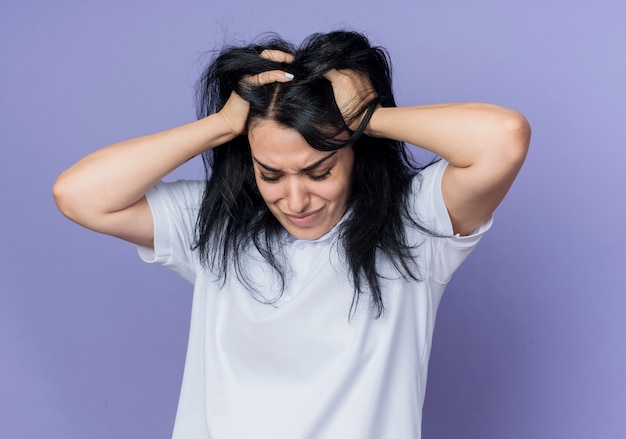
Hair loss, medically known as alopecia, is a common condition that affects individuals of all ages and genders. While some degree of hair shedding is normal, excessive hair loss can be distressing and impact self-esteem. In this comprehensive guide, we delve into the causes, treatments, and management strategies for hair loss to help you understand and address this prevalent issue.
Understanding Hair Growth Cycle
Before delving into hair loss, it’s essential to understand the hair growth cycle. Hair growth occurs in three phases:
- Anagen phase:This is the active growth phase where hair cells rapidly divide, and hair shafts are produced. This phase can last anywhere from 2 to 7 years, determining the length of your hair.
- Catagen phase:This transitional phase follows the anagen phase and lasts for about 2 to 3 weeks. During catagen, hair growth slows, and the hair follicle shrinks.
- Telogen phase:Also known as the resting phase, hair remains in the follicle but doesn’t grow. After about 3 months, old hair falls out, and the cycle repeats with new hair growth.
Common Causes of Hair Loss
Several factors can contribute to hair loss, including:
- Genetics (Androgenetic Alopecia):Also known as male-pattern or female-pattern baldness, this is the most common cause of hair loss. It is hereditary and typically occurs gradually with age. In men, it often results in a receding hairline and balding at the crown. In women, hair loss tends to be more diffuse, leading to thinning hair.
- Hormonal Changes:Hormonal fluctuations due to pregnancy, childbirth, menopause, thyroid disorders, or hormonal imbalances can trigger temporary or permanent hair loss.
- Medical Conditions:Certain medical conditions such as alopecia areata (an autoimmune disorder), scalp infections, and underlying health issues like lupus or diabetes can cause hair loss.
- Medications:Some medications used to treat cancer, arthritis, depression, heart problems, and high blood pressure can lead to hair loss as a side effect.
- Stress and Trauma:Physical or emotional stress, surgery, or significant life events can cause a type of hair loss called telogen effluvium, where hair follicles prematurely enter the telogen (resting) phase.
- Nutritional Deficiencies:Inadequate intake of essential nutrients like iron, zinc, vitamins (especially B vitamins), and protein can affect hair growth and lead to hair loss.
Types of Hair Loss
Hair loss can present in various forms, including:
- Androgenetic Alopecia:As mentioned earlier, this is the most common form of hair loss and is hereditary. It affects both men and women differently but is characterized by a gradual reduction in hair density over time.
- Alopecia Areata:This is an autoimmune condition where the immune system mistakenly attacks hair follicles, leading to patchy hair loss on the scalp or other parts of the body.
- Telogen Effluvium:This type of hair loss is often triggered by stress, illness, or hormonal changes, causing an increased shedding of hair. It typically resolves on its own once the underlying trigger is addressed.
- Traction Alopecia:Caused by repetitive pulling or tension on the hair follicles, often due to hairstyles like tight ponytails, braids, or extensions. Over time, this can lead to hair thinning and bald patches, particularly along the hairline.
Treatment Options for Hair Loss
The treatment for hair loss depends on the underlying cause and the type of alopecia present. Here are some common treatment options:
- Medications:
- Minoxidil (Rogaine):Available over-the-counter, minoxidil is applied directly to the scalp to stimulate hair growth in both men and women with androgenetic alopecia.
- Finasteride (Propecia):This prescription medication is primarily used to treat male-pattern baldness by reducing the production of dihydrotestosterone (DHT), a hormone that shrinks hair follicles.
- Hair Transplant Surgery:For individuals with advanced hair loss, hair transplant surgery involves transplanting hair follicles from a donor site (typically the back or sides of the scalp) to the balding or thinning areas. This procedure can provide permanent results.
- Platelet-Rich Plasma (PRP) Therapy:This treatment involves injecting platelet-rich plasma derived from the patient’s own blood into the scalp to stimulate hair growth. PRP therapy is believed to promote hair follicle health and increase hair thickness.
- Laser Therapy:Low-level laser therapy (LLLT) devices emit light energy that stimulates hair follicles and promotes hair growth. This non-invasive treatment option is typically used as a standalone therapy or in combination with other treatments.
- Topical Treatments:Besides minoxidil, other topical treatments such as corticosteroids, anthralin, or dithranol creams may be prescribed to manage certain types of alopecia, such as alopecia areata.
Lifestyle and Home Remedies
In addition to medical treatments, adopting healthy lifestyle habits can support hair health and potentially slow down hair loss:
- Nutritious Diet:Ensure your diet includes a variety of vitamins and minerals essential for hair health, such as iron, zinc, vitamins A, C, D, and E, and omega-3 fatty acids found in fish, nuts, seeds, and leafy greens.
- Gentle Hair Care:Avoid excessive heat styling, harsh chemicals, and tight hairstyles that can damage hair follicles and contribute to hair loss.
- Stress Management:Practice stress-reducing techniques such as meditation, yoga, deep breathing exercises, or engaging in hobbies to promote relaxation and overall well-being.
- Scalp Massage:Massaging the scalp regularly can improve circulation to the hair follicles, promoting hair growth and reducing hair shedding.
When to Seek Medical Advice
If you experience sudden or excessive hair loss, it’s important to consult a dermatologist or healthcare provider promptly. Early intervention can often help identify the underlying cause and determine the most effective treatment options. Your healthcare provider may conduct a thorough evaluation, including a physical examination, blood tests, and possibly a scalp biopsy to diagnose the cause of your hair loss accurately.
Coping with Hair Loss
Hair loss can have a significant emotional impact on individuals, affecting self-esteem and overall quality of life. It’s essential to remember that you are not alone, and there are various support resources available, including support groups, online forums, and counseling services. Additionally, exploring styling options, such as wigs, hairpieces, or different hairstyles, can help individuals feel more comfortable and confident during their hair loss journey.
Conclusion
In conclusion, understanding the causes, treatments, and management strategies for hair loss is crucial for anyone experiencing this condition. By addressing underlying medical conditions, adopting healthy lifestyle habits, exploring treatment options, and seeking professional guidance when needed, individuals can take proactive steps to manage hair loss effectively. Remember, each person’s experience with hair loss is unique, and finding the right approach may require patience and persistence. With the right support and resources, many individuals can achieve healthier hair and improved well-being.